
The Situation in Andalusia
In the provinces of Almería and Huelva, in southern Spain, lies one of the largest agricultural production areas in Europe, often referred to as the “sea of plastic”. This intensive agricultural model relies heavily on a precarious migrant workforce, often without legal status and exposed to extremely difficult working and living conditions.
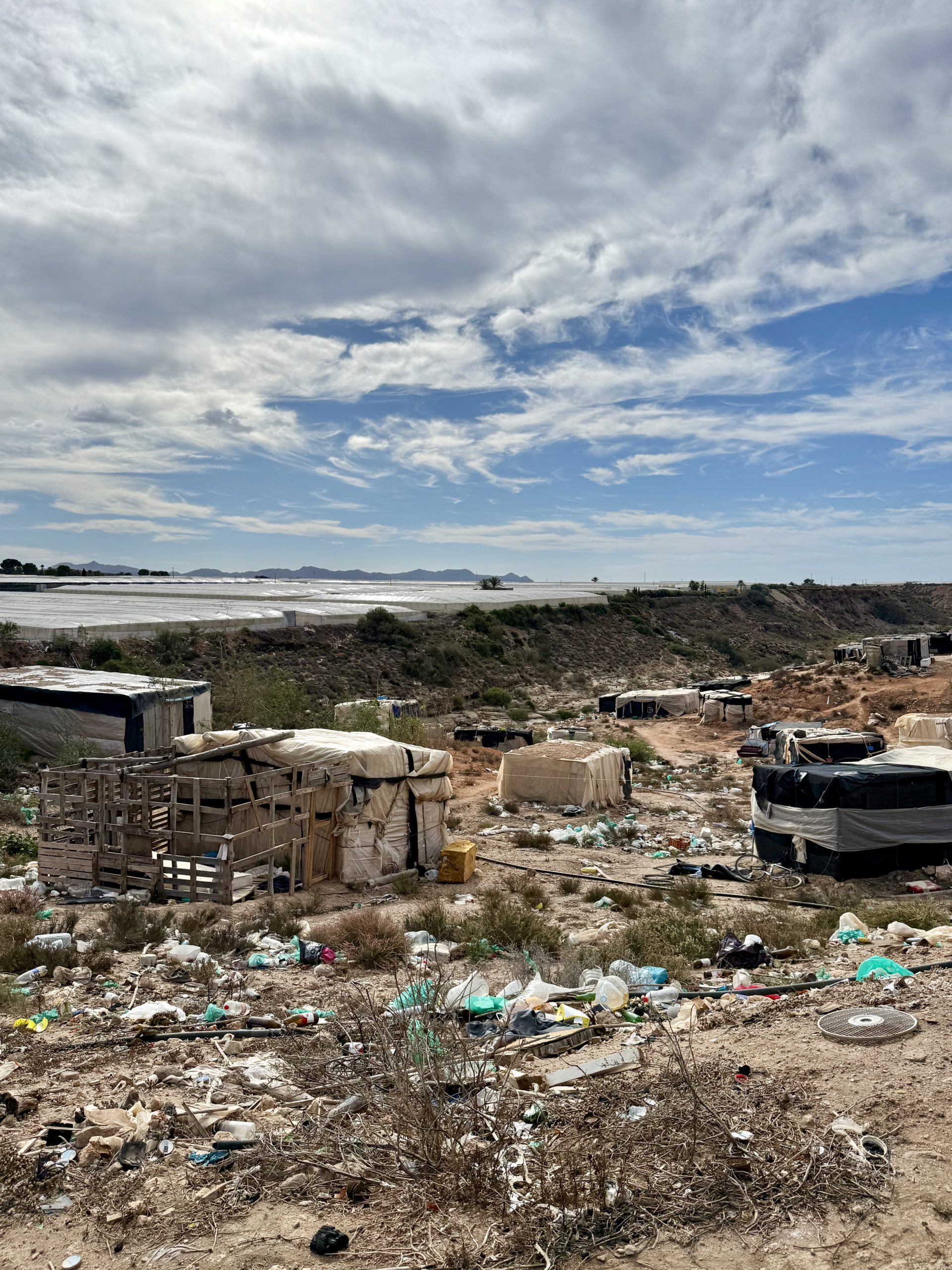
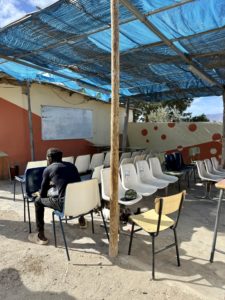
Due to the lack of adequate housing solutions, thousands of people live in informal settlements (“chabolas”), without access to drinking water, electricity, or basic sanitation.
In this context, migrant women are particularly vulnerable. Often isolated, without resources or protection, they are exposed to gender-based violence, exploitation, and significant health risks, particularly in terms of sexual and reproductive health.
This reality, still largely invisible, requires targeted and adapted responses.
For more information on this topic, you can consult this document.
Our approach
An exploratory mission enabled us to assess living conditions in the settlements and identify priority needs, in close collaboration with local organizations and beneficiaries. We also provided initial material support (hygiene products and essential goods), based on needs expressed by local actors.
Local organizations play a key role on the ground, despite limited resources. Their deep knowledge of the settlements and the trust they have built with communities make them essential partners. Our approach aims to strengthen their capacity to act by providing targeted logistical and operational support, tailored to locally identified needs.
We are adopting a progressive approach, initially focusing on the province of Huelva, where vulnerabilities (particularly those affecting women) are most acute.
Key findings
Working conditions are highly precarious: long working days (8 to 12 hours), extremely low wages (€3.50 to €5 per hour), and frequent lack of protection against chemical exposure. This situation is compounded by systemic administrative exclusion, which severely restricts access to fundamental rights and exposes workers to abusive and costly practices without guarantees.
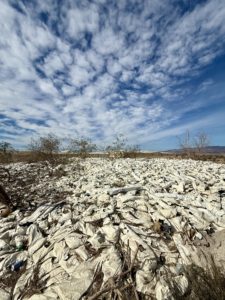
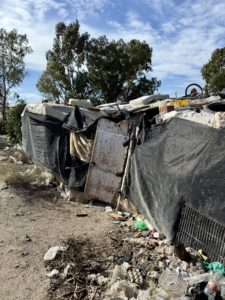
Living conditions in the settlements are equally alarming: lack of access to drinking water, electricity, and sanitation, accumulation of waste, and unsafe makeshift solutions. Often isolated, these settlements can be located several kilometers from essential services, sometimes requiring hours of walking without access to transportation. Over time, these conditions have serious consequences for both physical and mental health.
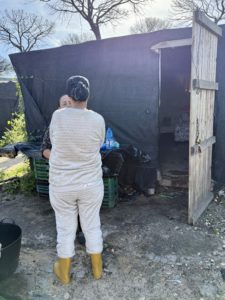
In this context, migrant women represent the most vulnerable group. Facing economic hardship, social isolation, and administrative insecurity, they are particularly exposed to gender-based violence and exploitation. In areas such as the province of Huelva, several hundred women live in these settlements, often without protection or alternatives. Some are forced into survival strategies, with severe consequences for their health (particularly sexual and reproductive health) further reinforcing their invisibility and exposure to abuse.
Intervention areas
The planned intervention is structured around three complementary areas :
- Targeted support for migrant women : the project will focus on prevention, awareness, and protection of women, who are particularly exposed to violence and exploitation. It includes the distribution of essential items related to hygiene and sexual health, as well as the creation of a secure mobile space dedicated to listening and support.
- Improving sanitary and environmental conditions : actions will aim to reduce health risks in the settlements by supporting waste management, access to clean water, and awareness-raising on environmental health. These initiatives will help improve living conditions while strengthening community autonomy.
- The van as a strategic tool : the exploratory mission highlighted a major logistical need. Settlements are isolated and difficult to access, significantly limiting the capacity of local teams. The van will be a central tool, enabling access to remote areas, transport of humanitarian supplies, and the creation of a safe mobile space. It will strengthen field presence, improve coordination, and increase the overall effectiveness of interventions.
Project objectives
The project is currently in the development phase. The first phase will focus on the acquisition and fitting of a humanitarian van, designed as a long-term tool to support local actors.
In the short term, the objectives are to:
- support approximately 100 direct beneficiaries (access to water and healthcare)
- reach 400 beneficiaries through environmental health actions
Activities will be implemented in partnership with a local organization in the province of Huelva, across around ten settlements.
To help us bring this project to life and strengthen the work of local organizations in Andalusia, you can support Van for Life by making a dedicated donation. Every contribution makes a tangible difference for the most vulnerable populations.